

“Pure food from the heart. Grown with love always.”
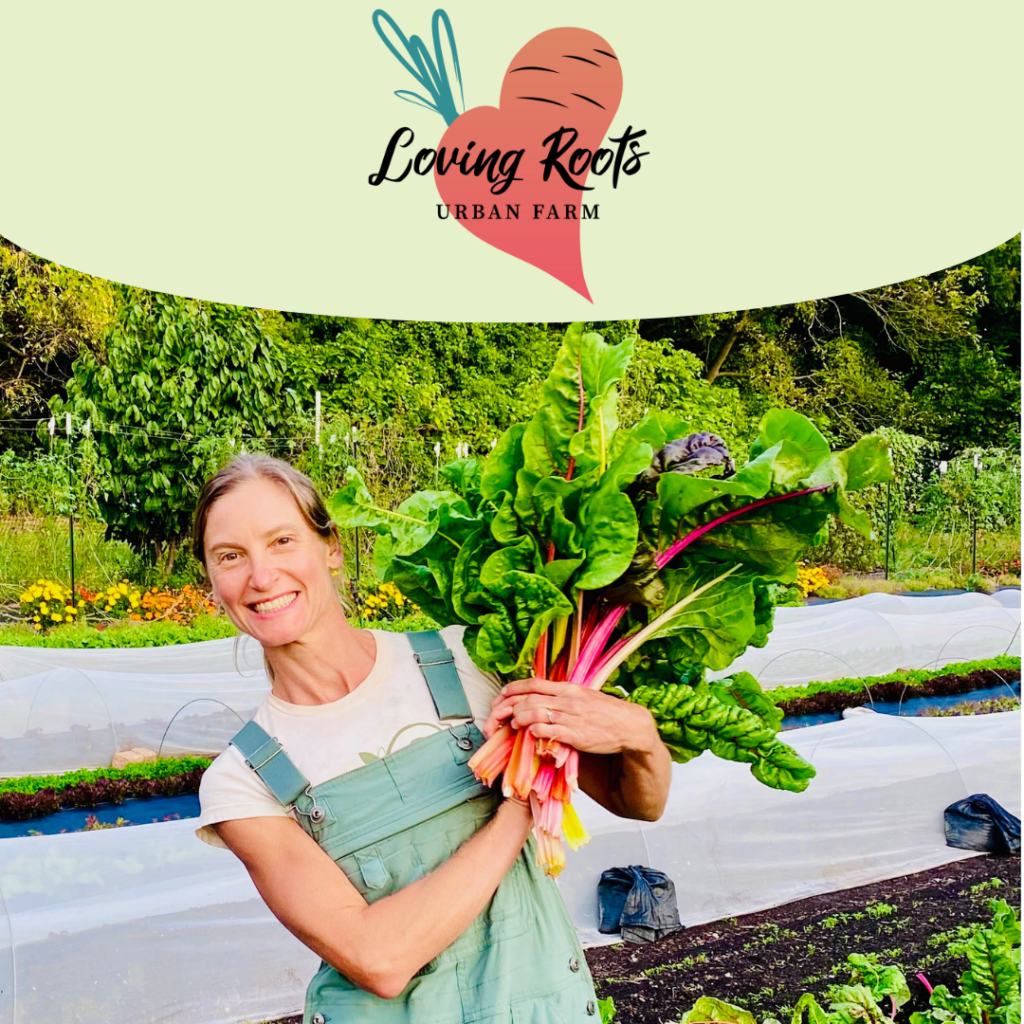
Loving Roots Urban Farm is a small-scale, no-till vegetable farm rooted in sustainable and regenerative practices. FarmHer Jill grows food with intention, care, and love—honoring the land while cultivating meaningful relationships with customers, chefs, and community alike.
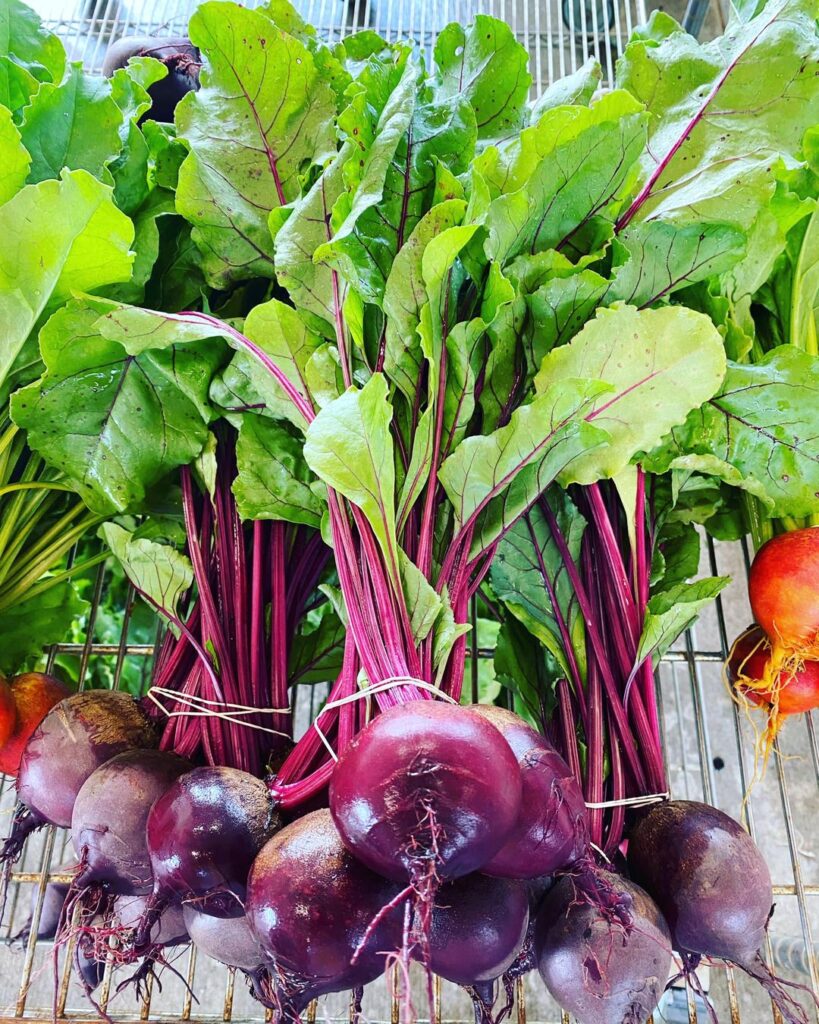
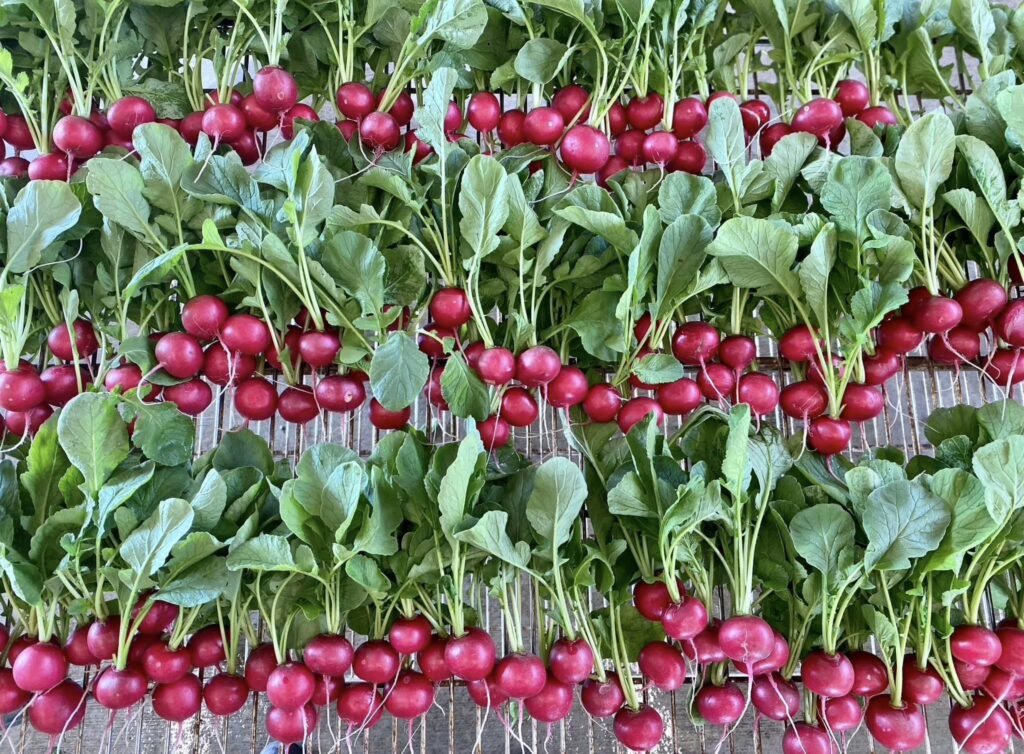
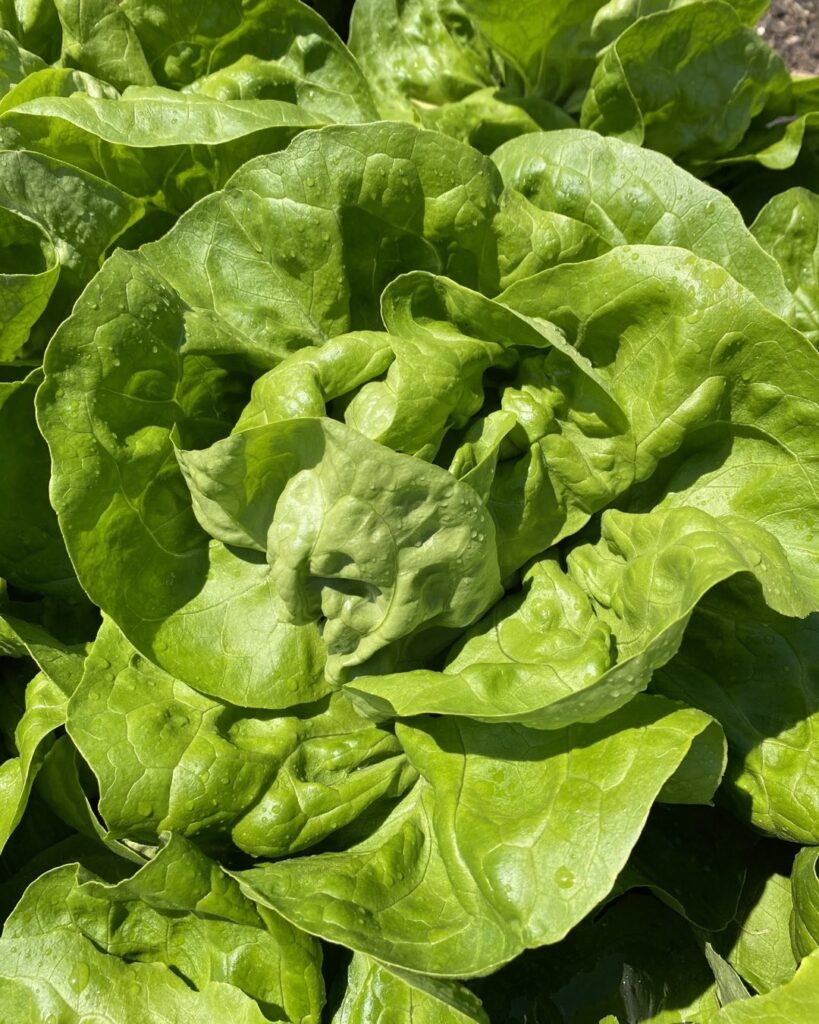
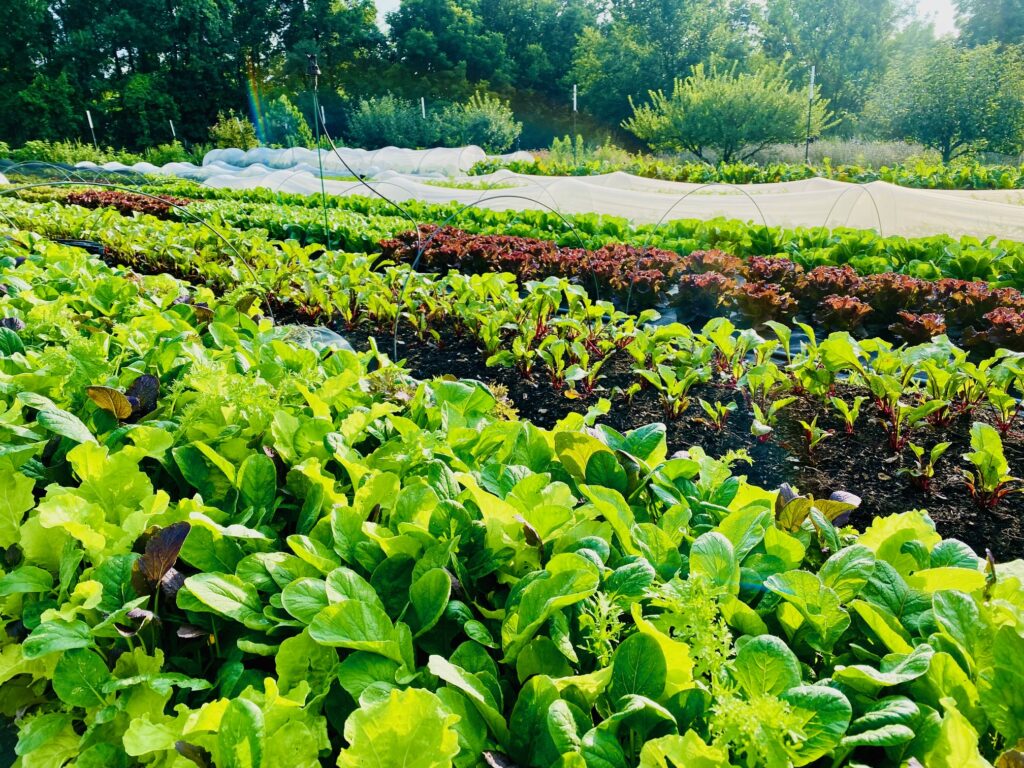
Jill specializes in year-round, high-quality salad greens, along with tender baby root vegetables, flavorful cooking greens, specialty crops, and seasonal flowers. By farming on a thoughtfully tended small plot, she’s able to care deeply for the soil, the organisms that call it home, the plants, the people who eat the food, those who volunteer there —and herself—through hands-on, human-scaled farming practices.
Together, Jill and her partner Dirk are building an outdoor kitchen for intimate farm-to-table dinners and developing a nonprofit branch of the farm focused on education, environmental stewardship, and connection to land and food.
Online ordering is available May through October, with pickup outside Winslow’s Table, where Jill offers the harvest from her signature farm truck. Follow Loving Roots Urban Farm on social media and join the email list to stay connected, be part of this local food-loving community, and watch the new farmstead take shape.
Loving Roots Urban Farm regularly welcomes volunteers. Reach out to Jill to learn more!
Connect with us.
Location
Maryville, IL (serving STL metro area)
Shop with us.
Online store (May-October) is open Wed afternoon to Thu noon. (Join Jill’s email list for 2026 start date announcement)
Order pick-up is Thu at Winslow’s Table 4-6pm
Contact us.
Jill Duncan
jill@lovingrootsurbanfarm.com
314-640-7142


More about our Farm
Farm Size
<1 acre
Products
- Vegetables
- specializing in roots and greens all season
Conservation Practices
- Permanent wildlife habitat
- Use of drip irrigation
- No-till – using permanent raised beds
- Use of berms and swales to reduce runoff and erosion
- Integrated Pest Management Plan
- Crop rotation
- Permanent fencerows
Additional Practices
- No fossil fuels used
- Annual soil testing
- Stale bedding, occultation, and solarization
- Companion planting/intercropping
- Trap-cropping
- Use of beneficial insects and nematodes for pest control
- Organic seeds and potting mix